Full off-grid solar, battery, and generator systems for cabins, homesteads, and rural properties across Utah. Engineered by a licensed Master Electrician with a degree in Electrical Engineering. Designed to survive Utah winters.
Off-grid is the right answer when grid extension would cost more than building your own power — or when you simply don't want to depend on anyone.
Utah ski country, Uinta forests, Boulder Mountain, La Sal — properties where the nearest power pole is a mile away and RMP wants $50K+ just to run service.
Rural Duchesne, Sanpete, Juab, and Millard County properties. Off-grid homes with well pumps, shops, and outbuildings that need reliable year-round power.
Detached studios, workshops, guest cabins, and barns where running a buried service line from the house would cost more than a standalone solar + battery system.
Owners who want full independence from Rocky Mountain Power — either by choice or because their location makes grid connection impractical.
Off-grid isn't one piece of equipment — it's a system. Every component has to work together for years without a utility safety net behind it.
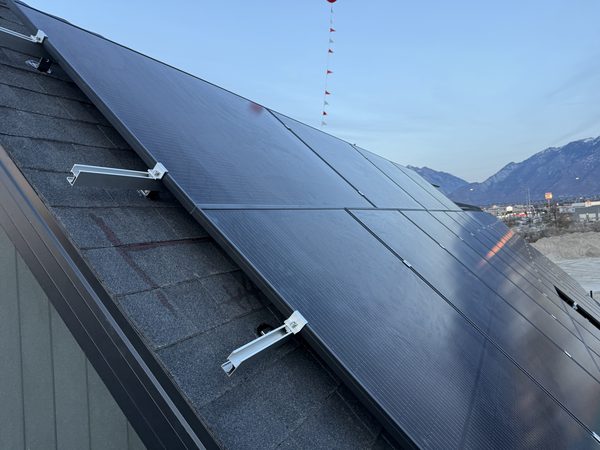
Ground mount or roof mount, sized for your winter loads (not your summer loads). We design for December production in Utah — if your system meets winter demand, summer is easy.
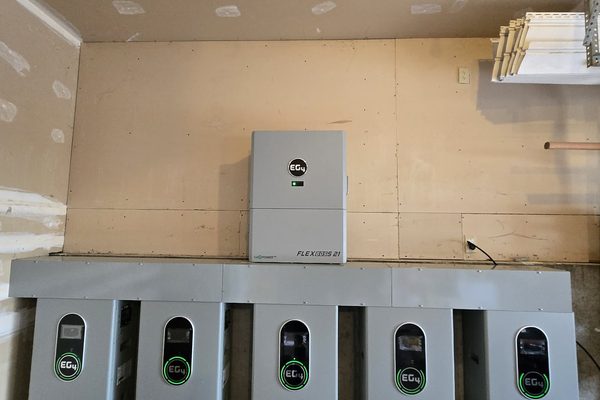
The battery bank is the heart of an off-grid system. We size it for 2-3 days of autonomy, then add a generator for longer low-solar stretches. This is cheaper than sizing the battery alone for worst-case.
Brands: EG4, Ruixu server rack, Sol-Ark, FranklinWH, Victron Lynx.
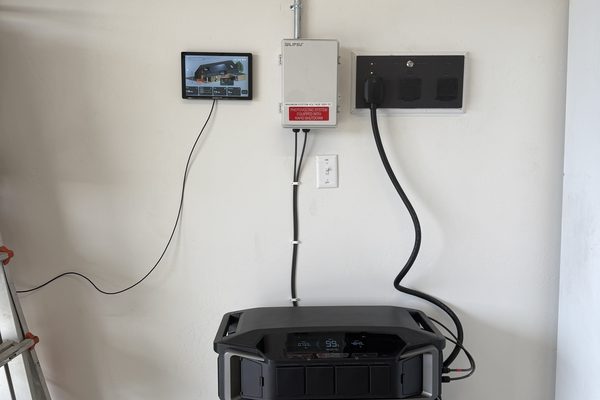
The brain. Manages solar input, battery charging, load output, and generator integration. We standardize on a few proven platforms.
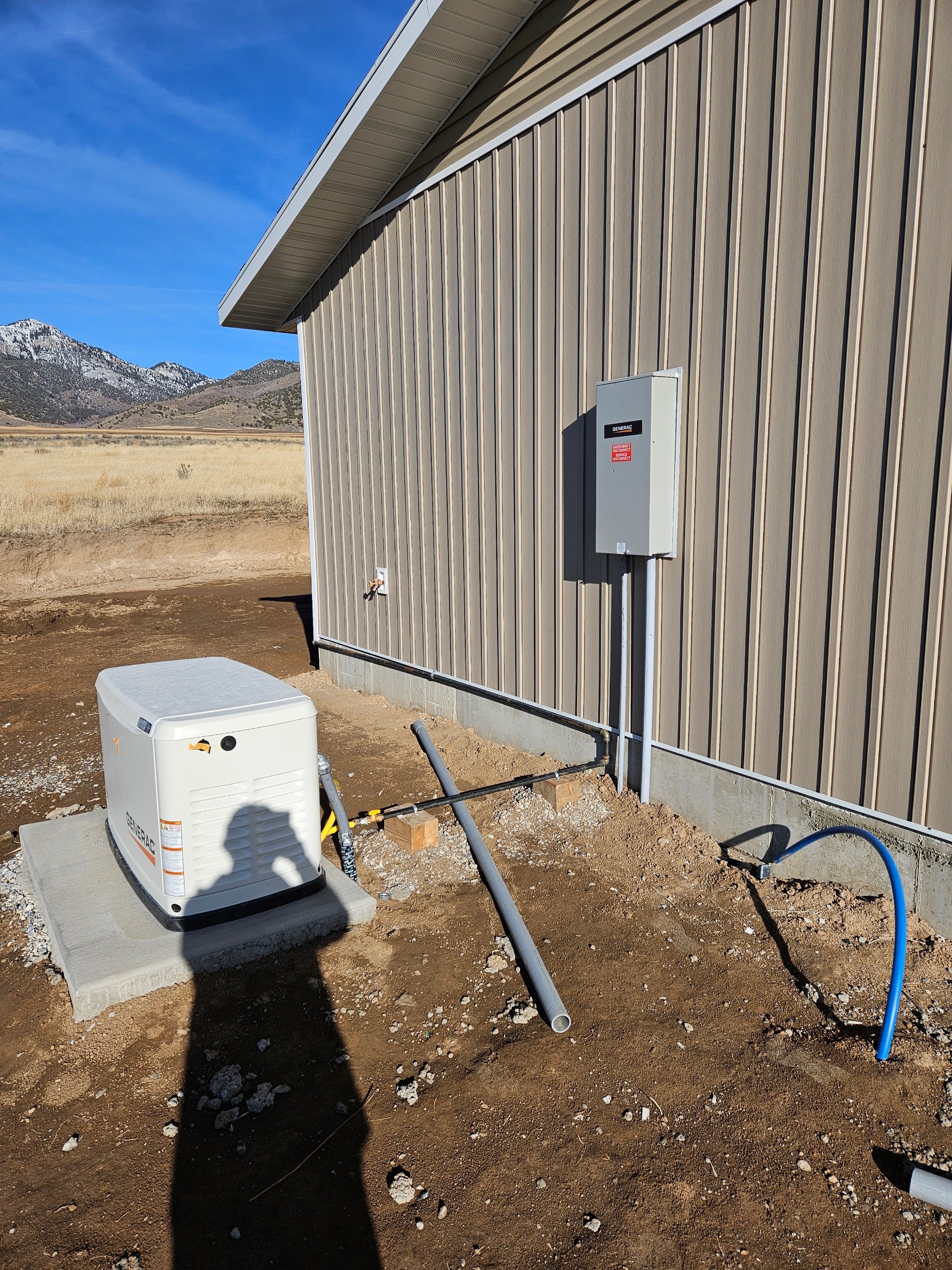
A generator is not optional for Utah off-grid. December weeks of low sun, snow-covered panels, and 4-hour daylight mean the battery needs recharge backup. The generator runs rarely — but when it runs, it's essential.
Every site is different — but here's a realistic picture of what different off-grid loads cost in Utah.
| Use Case | Solar | Battery | Generator | Installed Cost |
|---|---|---|---|---|
| Small Cabin Weekend use, lights + fridge + well pump |
5 kW | 20 kWh | 12 kW LP | $40K - $55K |
| Full-Time Homestead Year-round home, well, shop, modest HVAC |
10 kW | 40 kWh | 18 kW LP | $75K - $95K |
| Off-Grid Primary Residence Full AC, EV, multiple outbuildings |
15 kW | 60 kWh | 22 kW LP | $105K - $135K |
| Large Ranch / Multi-Building House + shop + irrigation + barn |
25 kW+ | 80 kWh+ | 26-30 kW LP | $150K - $250K+ |
Estimates are for accessible rural Utah sites with standard snow loads. Remote locations, long trenching runs, deep-well pumps, heavy snow-load engineering, and tank installations add cost. Every quote is site-specific and itemized.
Our primary service area is Utah County and Salt Lake County. For off-grid, we go anywhere in Utah where the math makes sense — Wasatch, Summit, Duchesne, Uintah, Tooele, Juab, Sanpete, Millard, Iron, Washington. Remote locations add cost for travel and lodging, but we'll quote it honestly so you know exactly what remote location adds.
If your property is more than 2 hours from Provo, we typically plan a single multi-day site visit to do the full install rather than multiple trips. This saves you money and accelerates the project.
Off-grid projects are longer and more involved than grid-tied installs. Here's exactly what to expect.
We walk the property, measure solar access and snow patterns, inspect water/propane/communications infrastructure, and document every electrical load you plan to run — current and future.
We calculate array size for December production (not summer peak), battery size for 2-3 days autonomy, generator size for worst-case charging support. No guesswork.
Full single-line diagrams, structural load calcs for ground mounts, temperature-compensated wire sizing, overcurrent protection schedule. Designed to NEC 2023 and submitted to the county.
Electrical and structural permits filed with your county. For some detached cabin or outbuilding projects, permits may not be required — we confirm with the building department during survey.
We order all equipment, stage it, and plan the delivery to minimize site visits. For remote locations, everything arrives in one or two trips.
Ground mount or roof array, battery enclosure, inverter rack, generator pad, fuel line, trenching, main distribution. For remote sites, we plan around lodging and weather windows.
County inspection signs off on electrical. We power up, test every load, configure the inverter, verify generator auto-start, and walk you through the monitoring app. You have a self-contained grid.
If your question isn't here, call or text (385) 283-7904.
A small cabin system (5 kW solar, 20 kWh battery, 12 kW propane generator) runs roughly $40,000-$55,000 installed. A full homestead or off-grid primary residence (10-15 kW solar, 40-60 kWh battery, 22 kW propane generator) runs roughly $75,000-$120,000 installed. Cost depends heavily on site access, trenching distance, and snow-load requirements.
Yes. We service rural and mountain Utah — Wasatch, Summit, Duchesne, Uintah, Tooele, Juab, Sanpete, Millard, Iron, Washington. Remote locations add cost for travel, lodging during multi-day installs, and materials transport. We'll quote it honestly so you know exactly what remote location adds.
Usually yes. Even off-grid, most Utah counties require electrical permits for permanent installations tied to a structure. Some detached cabin or outbuilding installs may not, but we always confirm with the local building department during the site survey. We handle all permit applications.
Solar is seasonal. Winter cloud weeks, snow cover, or short daylight can leave your battery under-charged for days. A propane generator handles these stretches — charging the battery during sustained low-solar periods. Without a generator, you'd need 2-3x more battery capacity to survive Utah winters, which costs more than the generator.
Off-grid has no utility connection at all. Everything runs from your solar, battery, and generator. Grid-tied with battery backup has a utility connection that covers normal days; the battery handles outages. Off-grid is more expensive per kWh because you have to size for worst-case scenarios, but it's the only option when the utility literally can't reach your property or a new service drop would cost $50K+.
Yes. Most residential well pumps (1-2 HP) run fine on a 48V off-grid inverter system. Deep wells with 3+ HP submersible pumps need soft-start controllers and larger inverters (Sol-Ark 15K or Schneider XW Pro). We size the inverter and battery for your specific pump and usage pattern.
Design and engineering: 3-6 weeks. Permitting: 2-4 weeks (varies by county). Physical install: 5-10 days depending on size and access. Full project from signed contract to commissioned system: typically 2-4 months. Remote sites and heavy snow seasons add time.
Yes, if we design the original system with off-grid in mind. A Sol-Ark or Schneider hybrid inverter handles both modes natively — you can start grid-tied and switch to full off-grid later without replacing the inverter. We'll plan for this during the initial design if it's on your roadmap.
Tell us where your site is, what you want to power, and when you want to be independent. We'll engineer a system built for Utah winters and give you a firm itemized quote.